Jaime Hing III
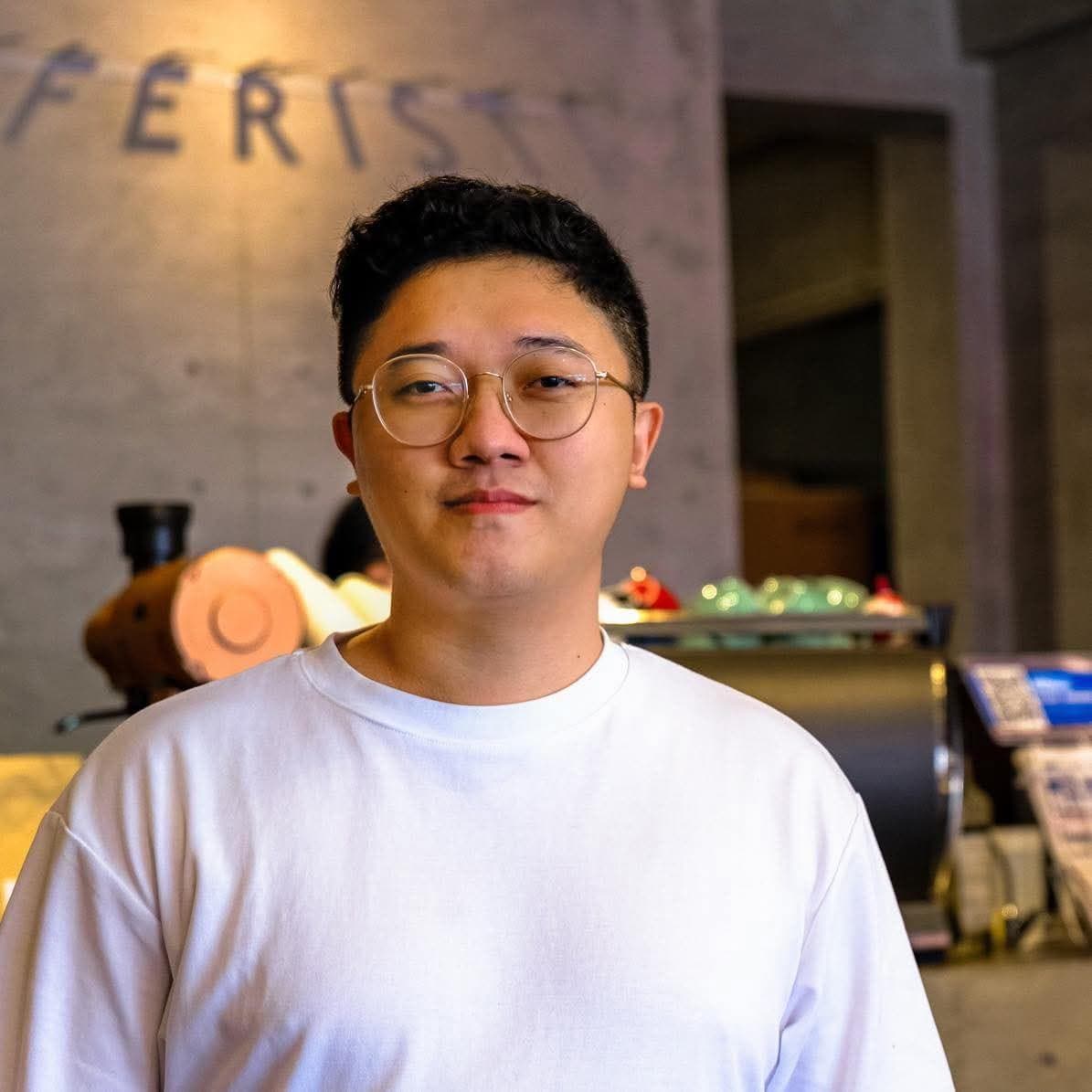
I'm a tech founder based in Manila, Philippines. I love building platforms with an infrastructure play, YC alum, gamer, pragmatic engineer.
From Developer to Entrepreneur: Why More Developers Should Build Businesses in the Philippines
Jul 31, 2025I'm a Filipino developer turned entrepreneur. I started working in corporate, thinking that this was the only path for me. Then I met a lot of amazing people along the way, who introduced me to several paths beyond corporate work.
In 2019, I co-founded my first company, called PayMongo (I left in 2023). This was just a crazy idea turned into a Y-Combinator backed company. Building a payments company is our last effort before we run out of money and find a more stable job.
I still don't want to call myself an entrepreneur, but I can't find a better word to highlight that I write code in my own company, and get paid for it through profit.
I wrote this post to share my sentiments about why more Filipino developers should stop waiting and start building.
1. We Have the Hardest Skill Already
Most startups begin with an idea, but die waiting for someone to build it. As a developer, you don't need to wait.
Some people spend money hiring developers to turn their idea into reality; you can build it yourself. You don't need a massive budget to validate a concept. You can test ideas fast, build MVPs in weeks, and pivot as required.
With just a laptop and an internet connection, you can build something that people are willing to pay for. Your code is capital.
PayMongo was started by a group of talented engineers. Payments were a challenge for us, so we decided to build one.
2. We Know How to Build Despite Constraints
Filipino engineers are no strangers to limitations. We deal with outdated tech stacks, low-spec laptops, inconsistent internet, and “bahala na” processes, and we still deliver.
That scrappiness? It's an asset in business.
Startups thrive not on perfection but on resourcefulness. And as developers in the Philippines, we've been training for this our whole lives.
3. You Understand Systems Thinking
Developers naturally think in systems, feedback loops, and edge cases. This can be translated directly into designing businesses that scale. Just as you think about code efficiency and technical debt, you'll begin to think about growth loops and operational bottlenecks.
You're already wired for building scalable businesses, and you just haven't applied it yet outside of code.
4. Building a Business is Cheaper Than Ever
Gone are the days when you needed millions in capital to start a business. Today, with open-source tools, free tiers, and platforms like:
- Supabase (backend in minutes)
- Vercel or Render (free hosting)
- Utilizing your personal network for feedback. You might have an idea within your network who to talk to. Use it to your advantage.
As a developer, you're in a prime position to leverage these resources from day one. You can build a working SaaS, mobile app, or API in a weekend.
When I started my first company, I was still figuring out other aspects of a business, but I firmly believe that you can learn these things along the way, just like how we try to learn a new programming language or a framework.
5. You Can Bootstrap While Earning
The idea that you need to quit your job to start something is outdated. You can explore ideas while working full-time. Many great startups were born from weekend projects and side hustles.
And because you're technical, you can iterate without waiting on anyone else. Your shipping speed becomes your growth engine.
Of course, if you want to accelerate the growth of what you've started, consider going full-time at some point.
I've seen devs launch Chrome extensions, budgeting apps, AI wrappers, and digital products while working full-time—and eventually grow them into income streams or even full companies.
I also met someone in a Filipino Developers Discord Server who started his startup while he was a student. I also met talented game developers on this server who aspire to start their studio. I hope that one day, they pursue this idea further.
Freedom doesn't start with funding. It starts with shipping.
NOTE: Take this advice with a grain of salt. You should have assessed the risks before leaving your job.
6. It's Not About a Big Idea. It's About Solving a Real Problem
Many developers hold back because they think they need to invent the next Big Company X, Y, or Z. You don't. The best businesses often solve small but painful problems.
What you need is a real problem and ideally, one you have experienced firsthand. The best ideas come from frustration, inefficiency, or gaps in existing workflows. As developers, we encounter these daily, but we often just build around them instead of building solutions.
You start with this small problem, and you solve related problems by building more solutions.
Don't be discouraged just because someone said that your idea is not unique. It might be true, but it doesn't mean that it should be the reason not to proceed. Again, focus on solving a problem. We received this kind of feedback numerous times when we started a payments company, but we never stopped anyway.
7. You'll Grow Beyond Code
I became a better version of myself as a developer after becoming a founder (at least this is what I know).
Why? Because I stopped obsessing too much over code quality. I started optimizing for outcomes, user impact, and speed to learning. I understood how every decision, technical or not, moved the business forward.
Entrepreneurship adds urgency, accountability, and empathy. It sharpens your engineering instincts by giving your work a real-world feedback loop.
8. The Philippine Market is Underserved
While Silicon Valley chases the next AI revolution, everyday Filipinos still struggle with:
- Finding affordable budgeting apps.
- Managing small business inventory.
- Selling products online.
- Using spreadsheets as a way to record sales and expenses.
- Looking for the next video game to play
These aren't billion-dollar ideas yet. But they're real, urgent problems. And if you've lived them, you can solve them better than anyone.
You don't need to build the next big thing right away. You just need to build something useful as a starting point.
And who knows?
That side project you are working on could be the next big thing in Southeast Asia.
Final Thoughts: Developer First, Entrepreneur Always
I never saw myself in entrepreneurship in the early days. I just wanted to build cool things. But looking back, the shift from developer to founder was the most empowering move I ever made.
You already have the tools. You already know how to learn, debug, and ship. What's missing isn't skill. It's your willingness to ship that thing that you're building out to the world.
I'm currently building my second startup PayRex focused on solving problems around payments and financial operations.