Jaime Hing III
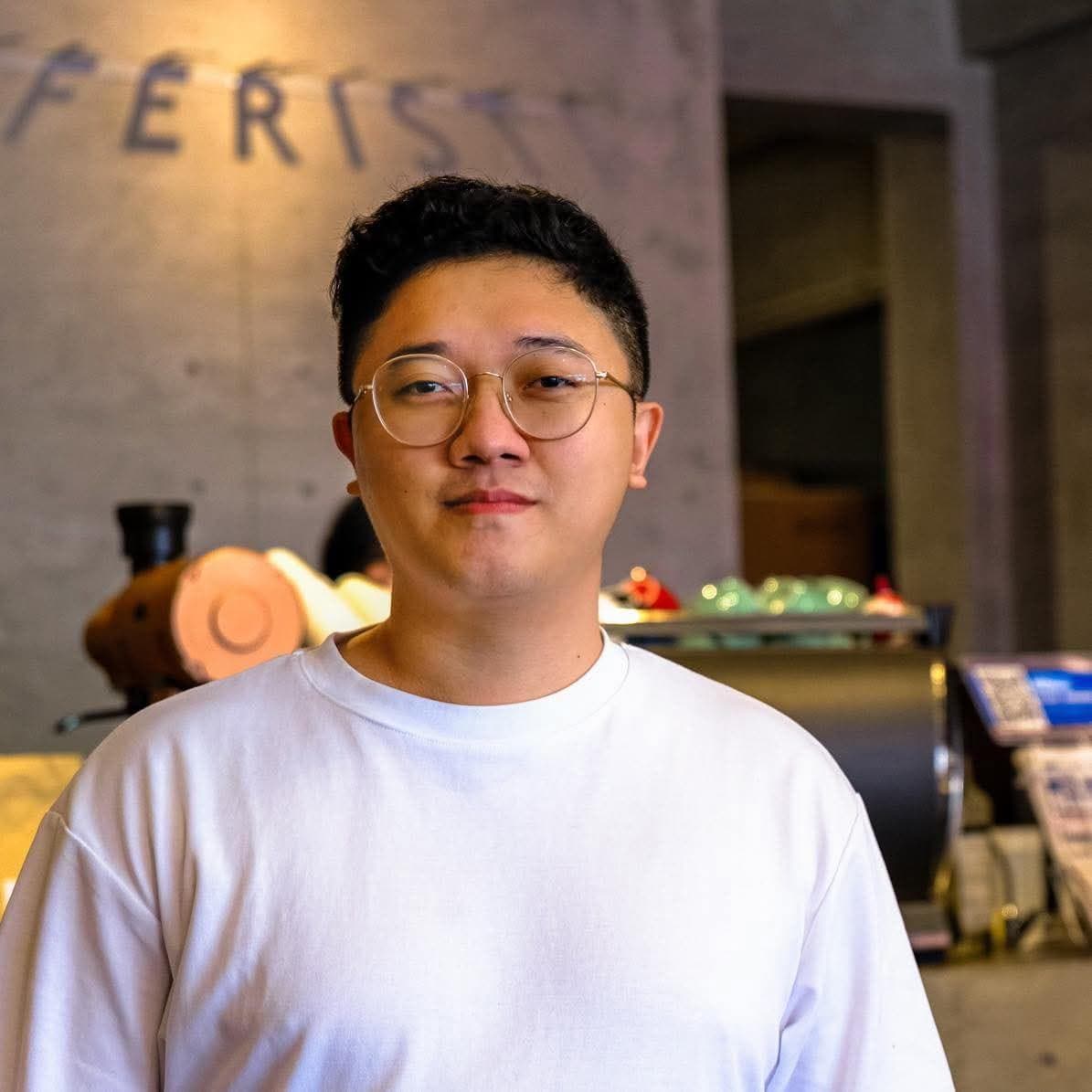
I'm a tech founder based in Manila, Philippines. I love building platforms with an infrastructure play, YC alum, gamer, pragmatic engineer.
Product-Engineering Culture in PayMongo
Oct 6, 2021Hi, I'm Jaime, CTO and Co-Founder of PayMongo, a Fintech company.
I manage the PayMongo Engineering team since day 1. Last August, I started handling the Product team as well. To give a quick background of the team, we are composed of:
- Infrastructure
- Design (UI and UX)
- Fraud and Risk
- Product Manager
- Software Engineer
- Scrum Master
- Software Quality Engineer
- …and Team Lead + Head per team
I'm always receiving the same answer during my first one-on-one meetings with new hires about why they joined PayMongo which is that they heard good things about our culture. I wrote this article to share to the public exactly what this culture is.
Culture is very important in our company. In fact, our hiring process has a segment where we assess if the company fits the applicant's expectations and vice versa.
With great freedom comes great responsibility.
This is the motto of our team and how we do things revolve around this statement. Below are the highlights of our culture:
Hiring
- We take hiring seriously. We heavily invest time in finding the right talent based on our set of criteria.
- Interviews work both ways. We check if the applicant passed the company's criteria and the applicant should assess if the company meets their expectations.
Meetings
- Meetings are discouraged if the agenda is not clear.
- Punctuality. It should start and end on time.
- We avoid having a meeting by initially writing a narrative about what we want to share and ask feedback on the document. In cases where we cannot align on the document, we schedule a meeting.
Leadership
- We lead with context and not control. If we want others to be creative with their work, we do not instruct them what to do. Instead, we give the goals that we have in mind with proper context. Being unclear and having assumptions will give everyone bad results.
- We practice what we preach.
- When someone does something incorrect, we don't blame them. Instead, we ask ourselves what context we failed to set. Are we clear and inspiring enough in expressing our goals and strategy? Have we clearly explained all the assumptions and risks that will help the team to make good decisions? Are we highly aligned on the objectives?
Work Dynamics
- Results-oriented. We don't have clock in or out and we don't encourage anyone to work on evenings. We are a team of night owls and early birds. Everyone manages their own time.
- Overtime is heavily discouraged. Overtime is a sign of bad time management for us.
- We are fans of one-on-one meetings. These meetings help us connect more with other people beyond work.
- We are a sports team, not a family. For us, family is about staying together regardless of “performance”. A sports team will not tolerate an unsatisfactory performance and they are open to share their insights to the team. The receiver considers feedback as something that can be used for them to grow or improve.
- We encourage everyone to say exactly what's on their mind but with a positive intent — not to attack anyone, but to get feelings, opinions, and feedback out in the open, where they can be dealt with.
- If anyone in the team disagrees with a colleague, we make sure that we just don't disagree just to look like the smartest person in the room. We provide some suggestions on how to improve an idea or perhaps make sure that sentiments are explained carefully.
- Everyone acts in the best interests of the company and not for themselves or for their supervisor.
- By default, employees don't need the leads' approval to move forward for a certain task but they should let the leads and the team know what's going on. If someone is unsure with their decision and it might be high-risk, they don't hesitate to reach out to their leads.
- No smart jerks. A smart jerk may do a very good job but they might not get along well with others. Being the smartest guy in the room is not enough. If you cannot work well with others, then being smart is useless.
- Failures are part of our growth. We discuss failures and rooms for improvement.
- A culture of experimentation. We experiment a lot. We try out different things e.g. processes, software development, team building activities in order to find what's best for everything that we do.
Personal Growth
- We do whatever we can to achieve our own goals. Leaders in the company are always trying to find ways to give everyone a good environment to reach their goals. It's up to everyone to utilize that environment.
- If someone's tempted to entertain jobs from other companies, that person openly discuss this with their team leads.
There you go! This is a glimpse of our culture and the list is growing.
A shout-out to my 60+ talented people under my team. I'm always grateful and proud of what we achieve every day.